Tips for Hiring Professional Roofing Services
Identifying a Reputable Roofing Contractor: Critical Questions to Explore
Finding a reputable roofing contractor is vital for all homeowners. Numerous aspects come into play, from validating credentials to comprehending project proposals. Property owners often face challenges in differentiating reliable contractors and those who may not deliver quality work. Essential questions can direct this process. Yet, knowing what questions to raise and how to assess answers can significantly impact the selection. What aspects should homeowners emphasize to ensure a positive working relationship?
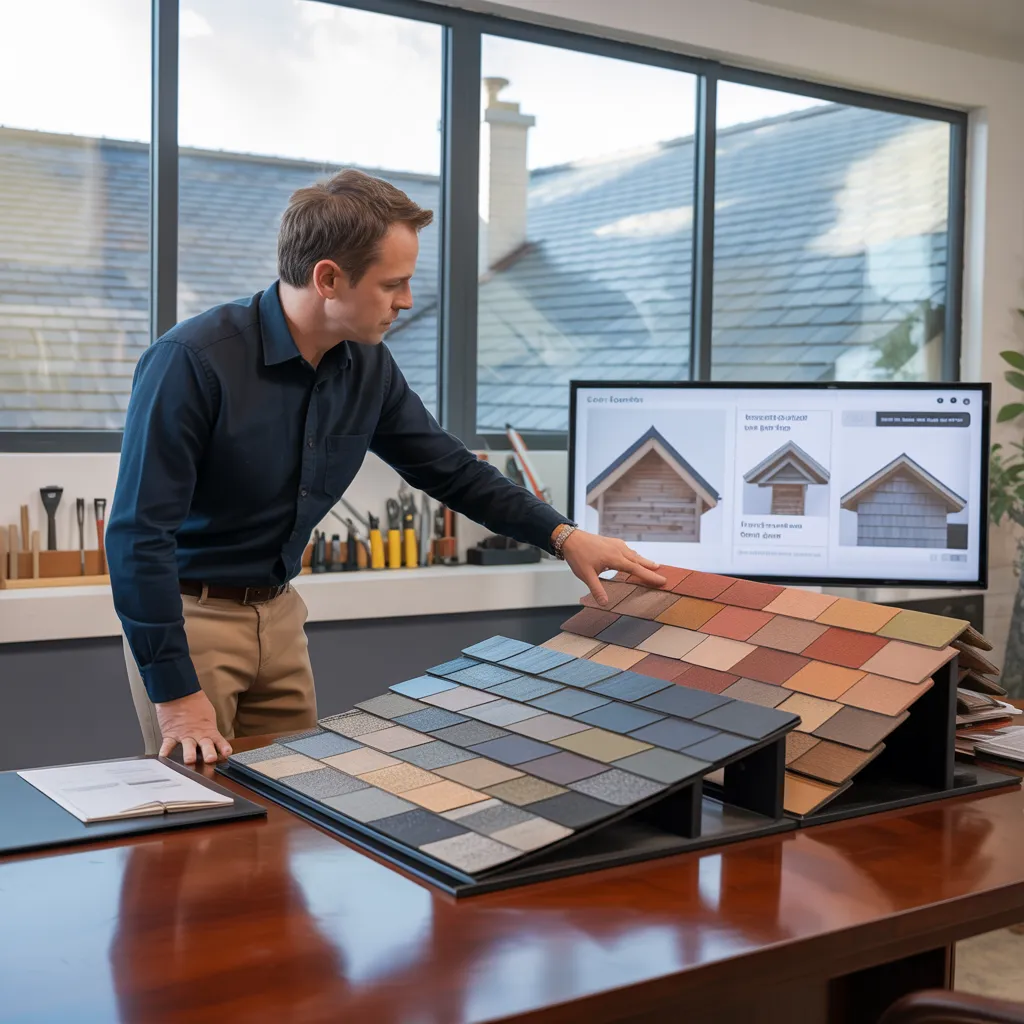
Ways to Avoid Scams When Hiring a Roofing Contractor
When searching for a roofing contractor, careful attention is required to protect against deceptive practices. Property owners should carry out extensive research before making any commitments. One effective strategy is to obtain multiple quotes from various contractors, which aids in recognizing excessive charges. Reviewing online feedback and testimonials can offer valuable information about a contractor's trustworthiness and service quality. Moreover, confirming the contractor's credentials, coverage, and community reputation is crucial.
Red flags often include contractors who demand upfront payment in full or force homeowners into quick decisions. A reputable contractor should be ready to present a comprehensive written quote and agreement. Communication is essential; a qualified contractor will be transparent and responsive throughout the process. Additionally, it is prudent to check with local authorities, such as the BBB, to look into any reported concerns or unresolved matters. By adhering to these guidelines, homeowners can substantially minimize their exposure to roofing scams.
What Credentials Does Your Roofing Contractor Need to Deliver Quality Work?
To ensure high standards in roofing services, property owners should seek out contractors with defined credentials and expertise. To begin, a valid license proves that the contractor adheres to regional requirements and professional standards. Homeowners should also check proper insurance, including liability and worker's compensation, to guard against financial liabilities during the project. Furthermore, credentials from well-known manufacturers indicate that the contractor has received specialized training and adheres to best practices. Membership in professional organizations, such as the National Roofing Contractors Association, can additionally showcase a dedication to quality and continuous professional development in the field. Property owners should inquire about coverage available for materials and workmanship, as these indicate the contractor's trust in their work. By focusing on these credentials, property owners can ensure they select a roofing contractor equipped to offer exceptional work and a reliable roofing system.
How to Check a Roofing Contractor's Experience and References
Examining a roofing contractor's experience and references is vital for making an informed decision. This approach includes checking industry certifications, obtaining a project portfolio, and carefully reviewing references. Each of these steps offers insight into the contractor's credentials and prior work.
Verify Industry Certifications
While evaluating a roofing contractor's qualifications, confirming industry certifications acts as a vital step in assessing their proficiency and dependability. Certifications from recognized organizations, such as the NRCA or National Roofing Contractors Association or designated manufacturer accreditations, indicate that the contractor adheres to industry standards and best practices. These accreditations commonly necessitate ongoing learning and development, guaranteeing that contractors remain current with modern techniques and materials. Additionally, it is prudent to check if the contractor holds find the facts necessary licenses and insurance, which provide protection for both the client and the contractor. This evaluation process not only confirms the contractor's credentials but also builds confidence, delivering confidence that the job will be executed to the highest standard.
Browse Project Portfolio
What methods can homeowners use to assess a roofing contractor's experience? An excellent strategy is to request a project portfolio. This collection highlights past projects, allowing homeowners to assess the contractor's skills and style. A thorough portfolio typically includes images, project descriptions, and specifics regarding the materials chosen. Homeowners should identify projects that align with their specific requirements, whether in style, size, or complexity. Additionally, assessing an array of past projects can highlight the contractor's flexibility and proficiency across various roofing types. By evaluating these instances, homeowners can make informed decisions about the contractor's competencies, confirming they hire a specialist with a reliable history. Ultimately, a thoughtfully compiled portfolio acts as a powerful instrument for appraisal.
Carefully Review All References
What measures can homeowners follow to confirm they are engaging a dependable roofing contractor? Checking references thoroughly is essential. Homeowners are encouraged to obtain a list of former clients and get in touch with them to gather feedback on their experiences. Important inquiries should cover the contractor's ability to communicate, punctuality in meeting deadlines, and the caliber of their workmanship. Furthermore, homeowners should confirm the contractor's familiarity with comparable roofing jobs, making sure they have completed installations or repairs aligned with their particular requirements. Digital reviews and customer testimonials can offer additional perspective, though direct personal references tend to deliver more detailed and meaningful feedback. Through carefully assessing references, homeowners can build trust in the contractor's dependability and quality of work, leading to a well-informed hiring choice.
What Should You Talk About When It Comes to Pricing and Project Estimates?
When reviewing costs and project quotes, homeowners should thoroughly assess several critical considerations to secure a roofing project that succeeds. Initially, obtaining multiple quotes provides a basis for comparison, ensuring a fair price. Homeowners are advised to ask about what work is covered in each estimate to avoid unexpected costs later. Homeowners must clarify the payment terms, including any necessary upfront deposits and the payment schedule for future installments.
Additionally, homeowners should discuss the types of materials involved, as the quality of materials can heavily influence the overall price. Having a clear understanding of additional costs, such as permits and disposal fees, is also essential. It is important for homeowners to check whether the estimate includes a comprehensive breakdown, helping them determine where funds are allocated. In closing, they should seek clarity on the timeframe for finishing the project to guarantee it aligns with their needs and expectations. Open and honest communication regarding these aspects will serve to strengthen mutual trust and transparency among homeowners and contractors.
What Warranties Should Your Roofing Contractor Provide?
A comprehensive warranty can serve as a safety net for property owners investing in a roof replacement. It is vital for homeowners to familiarize themselves with the kinds of warranties provided by roofing professionals. Generally, there are two main types: manufacturer warranties and workmanship warranties. Manufacturer warranties address roofing material defects, while workmanship warranties guard against errors in installation.
Property owners should inquire about the length of such warranties, as they can differ significantly. A reputable service provider might extend a warranty covering 10 to 50 years, depending on the materials used. Additionally, it is essential to determine what particular problems are included and what is excluded.
Homebuyers should also inquire if the warranty is assignable, which can be a valuable feature if they plan to put the home on the market. Familiarizing yourself with these warranty terms can provide peace of mind and protect against additional costs related to issues with the roof.
How to Evaluate Their Communication and Customer Service?
In what ways can homeowners properly gauge a roofing contractor's communication abilities and customer service quality? Through careful observation of early interactions, homeowners are able to obtain meaningful information. Prompt responses to inquiries, whether through phone calls or emails, signal a contractor's commitment to customer service. Moreover, clarity in explanations about services, costs, and timelines is essential; contractors ought to be ready to translate intricate information into straightforward and accessible terms.
Homeowners should also evaluate whether the contractor listens attentively to their concerns and answers questions thoroughly. A reliable contractor will demonstrate patience and a genuine interest in addressing client needs. In addition, reading online reviews and seeking recommendations can provide additional context regarding the contractor's communication style and service quality. In the end, strong communication serves as a key sign of professionalism and dependability, assisting homeowners in making well-informed choices when choosing a roofing contractor.
Key Things to Know About Project Timelines and Management
Understanding project timelines and management is essential for homeowners initiating a roofing project, as these elements directly influence the overall experience and satisfaction. A trustworthy contractor should provide a comprehensive schedule outlining key milestones, including commencement and finishing dates. Homeowners should ask about potential delays, such as inclement weather or material procurement issues, which can affect timelines.
Successful project management involves consistent updates and clear communication. Homeowners ought to inquire about how the contractor will provide updates to them throughout the process and who will act as their main point of contact. Furthermore, knowing the management style can help homeowners evaluate the contractor's ability to handle unanticipated problems.
Ultimately, examining past project schedules and results can provide valuable information about the contractor's performance and work quality. By addressing these aspects, homeowners are able to reach well-informed conclusions, securing a more streamlined roofing project while minimizing disruptions to their daily lives.
Common Questions and Answers
What Is the Best Way to Verify a Contractor's Insurance?
To check a contractor's coverage, you should obtain a copy of their insurance certificate directly, verifying that it includes the required specifics. In addition, contacting the insurance provider will verify the policy's validity and coverage specifics.
What Roofing Materials Do You Recommend for My Individual Needs?
The roofing specialist suggested asphalt roofing shingles due to their long-lasting nature and affordability, as well as metal roofing systems for longevity and energy efficiency. They emphasized the significance of taking into account the surrounding climate and the residence's architectural characteristics in material selection.
Do You Have a Physical Location That I Can Visit?
The contractor confirmed they operate a physical office location, where clients may stop by. This gives potential customers to assess the firm's reliability and professionalism while establishing trust through firsthand interaction and assessment.
Do You Take Care of All Required Permits for the Project?
The contractor verified they would handle all essential permits for the project. This guarantee offered reassurance, indicating their experience and dedication to adhering to local regulations, guaranteeing a seamless and compliant roofing process.
How Do You Resolve Disputes That May Arise During the Project?
The contractor presented a clear dispute management framework, stressing open communication and mediation as key initial steps. They also stressed their dedication to resolving concerns in a timely manner to copyright project progress and client contentment during the entire process.